
Understanding the psychology behind gambling behavior in casinos
The Allure of Gambling: What Draws People In
Gambling has an undeniable allure that captivates millions around the world. Many individuals are drawn to the excitement and thrill of placing bets, primarily due to the anticipation of winning. This anticipation releases dopamine, a neurotransmitter associated with pleasure and reward, making the experience not just about winning but also about the emotions tied to the activity itself. For many, this emotional high can become addictive, prompting repeated visits to casinos in hopes of recreating that initial thrill. Online platforms such as pokiesgg-australia.com further amplify this experience with their accessible gaming options.
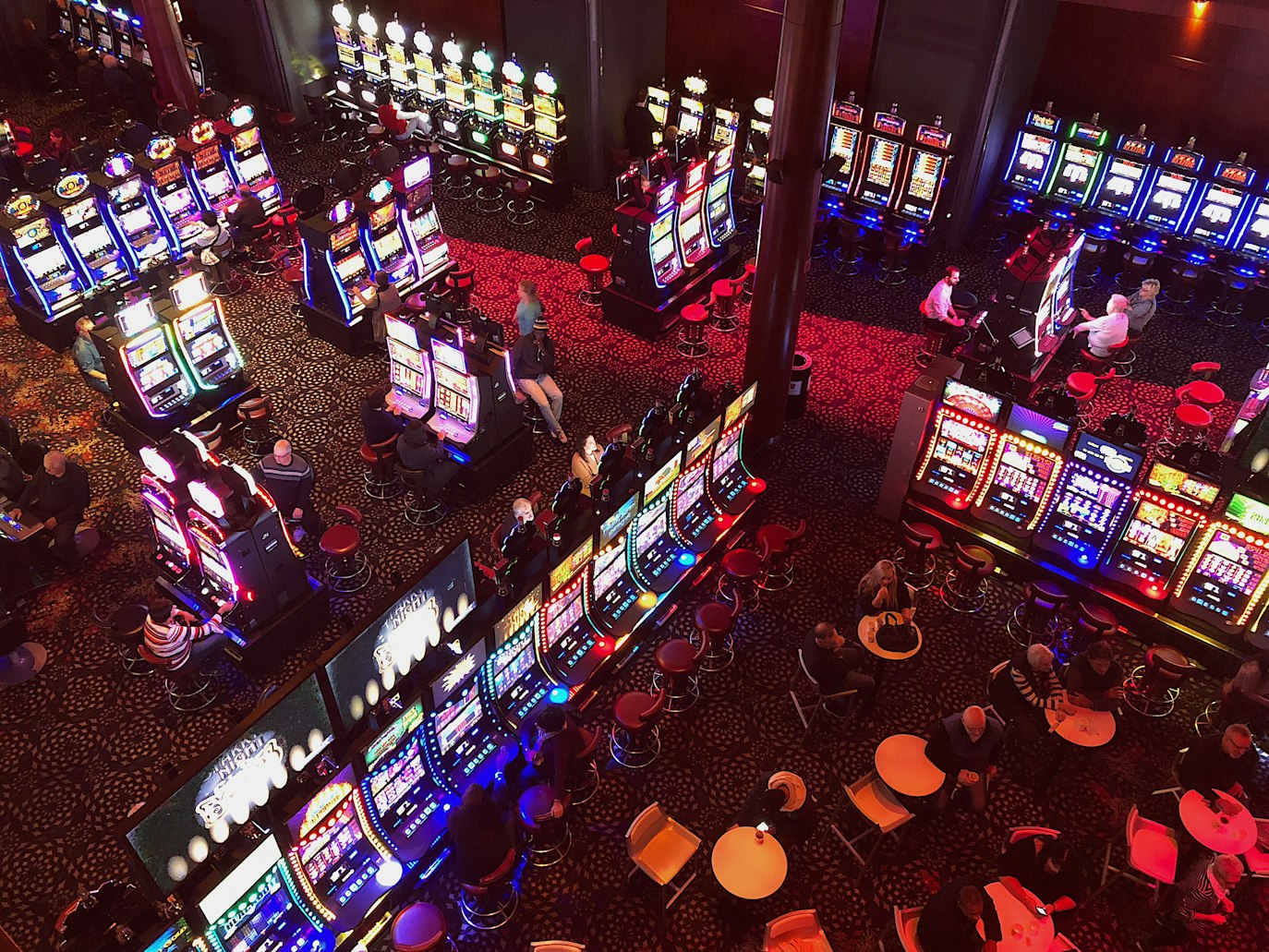
Moreover, the environment of a casino is meticulously designed to enhance this excitement. Bright lights, engaging sounds, and the buzzing atmosphere contribute to a sensory overload that keeps gamblers immersed. Casinos use various psychological techniques, such as near-misses, which evoke a sense of potential success, thus fueling the desire to keep playing. This clever manipulation of environment and expectation plays a significant role in driving gambling behavior.
The social aspect of gambling is another critical factor that attracts individuals. Many people enjoy the camaraderie found in casinos, whether at the poker table or during slot machine play. This social interaction fosters a sense of belonging and community, making gambling more appealing. Friendships may form over shared experiences, further entrenching individuals in the culture of gambling, which can lead to habitual behavior over time.
The Role of Risk and Reward in Gambling Behavior
The fundamental psychological principle of risk versus reward heavily influences gambling behavior. Players often engage in risk-taking as they believe that potential rewards outweigh the dangers of loss. This cognitive bias leads many to underestimate the odds against them. Many gamblers rationalize their decisions, convincing themselves that they have a better chance than statistics suggest, which can perpetuate a cycle of losses followed by attempts to win back lost money.
Furthermore, the concept of ‘variable ratio reinforcement’ is crucial in understanding why many people keep gambling despite losses. This principle suggests that the unpredictability of winnings can lead to persistent behavior. The sporadic nature of jackpots and wins creates a sense of hope and excitement that keeps players engaged, similar to the way slot machines operate. The unpredictability of outcomes, combined with the hope of a significant win, fuels continued gambling even among those who have faced significant losses.
This relationship between risk and reward also touches upon the psychological phenomenon known as ‘loss aversion.’ Studies indicate that individuals tend to prefer avoiding losses over acquiring equivalent gains. This means that once someone has invested time and money into gambling, the fear of losing those investments can lead them to gamble even more, hoping to recoup their losses. This behavior often traps individuals in a vicious cycle, creating a psychological barrier to stepping away from gambling activities.
The Impact of Cognitive Biases on Gambling Decisions
Cognitive biases significantly shape how gamblers perceive their chances of winning and losing. One prevalent bias is the ‘illusion of control,’ where gamblers believe they can influence outcomes, particularly in games of chance. This belief is especially common in activities like poker or blackjack, where players think their skills can significantly alter the game’s dynamics. As a result, they may take more risks, leading to increased gambling behavior.
Another cognitive bias that influences gambling is the ‘gambler’s fallacy.’ This bias involves the misconception that past events can influence future outcomes. For example, if a player has lost several times in a row, they may believe they are ‘due’ for a win, leading them to continue playing in hopes of an eventual turnaround. This faulty logic often drives people to make poor decisions and ignore the statistical realities of the games they are playing.
Additionally, social comparisons can impact gambling behavior. Players often look at others who have won and may falsely assume that their chances of winning are similar. Observing others’ successes can amplify feelings of competitiveness and the desire to gamble more. This dynamic can lead to increased spending and commitment to gambling activities, further perpetuating the cycle of addiction among frequent visitors to casinos.
The Role of Emotions in Gambling Choices
Emotions play a crucial role in gambling behavior, influencing decisions and risk tolerance. Positive emotions, such as excitement and joy from winning, can lead to increased gambling engagement, while negative emotions, such as stress and anxiety, can also drive individuals to gamble as a form of escape. People often use gambling as a coping mechanism, attempting to distract themselves from real-life issues or emotional turmoil.
Moreover, the relationship between emotions and gambling can lead to a cycle of reinforcement. Winning can trigger a rush of euphoria that individuals strive to replicate, while losses can create feelings of desperation that prompt additional gambling attempts. This emotional rollercoaster can be intoxicating, driving players deeper into a gambling mindset where rational thought becomes overshadowed by a pursuit of emotional highs.
In addition, the concept of ‘chasing losses’ illustrates how emotions can cloud judgment. When gamblers experience significant losses, they might feel compelled to continue playing to regain their lost funds. This emotional state can lead to reckless decision-making, resulting in greater losses and reinforcing problematic gambling behavior. Understanding how emotions influence gambling can help in developing strategies for responsible gaming and improving player experiences.
Exploring the Online Casino Experience with PokiesGG
As gambling continues to evolve with technology, online casinos like PokiesGG provide unique opportunities for players to experience the thrill of gambling from the comfort of their homes. This platform offers a vast selection of games, catering to the diverse preferences of Australian players. The emotional highs and lows associated with gambling remain present in this digital space, capturing the psychology behind player behavior.
With an extensive library of over 2,600 games, including pokies and live dealer options, PokiesGG creates an immersive environment that simulates the excitement of physical casinos. The user-friendly interface allows for seamless navigation, catering to both novice and experienced players. Additionally, the generous welcome bonuses and daily promotions further enhance the gaming experience, encouraging players to explore various games and maximize their enjoyment.
As player safety and responsible gaming are paramount, PokiesGG emphasizes secure banking options and 24/7 customer support. By providing a reliable and engaging online gaming environment, the platform seeks to enhance player satisfaction while acknowledging the psychological factors that drive gambling behavior. As the online casino landscape continues to grow, understanding the psychology behind gambling remains essential for both players and operators alike.